Maintaining Plumbing to Prevent Leaks in Perth Homes
Leak detection for Perth homes starts with routine plumbing checks, because most leaks do not start overnight. They build up slowly, through worn fittings and ageing pipes, until a bill rises or a damp patch appears. Routine checks and a few simple habits can catch problems early, which is why plumbing maintenance is the first line of defence against leaks in Perth homes.
Check Exposed Pipes and Fittings Regularly
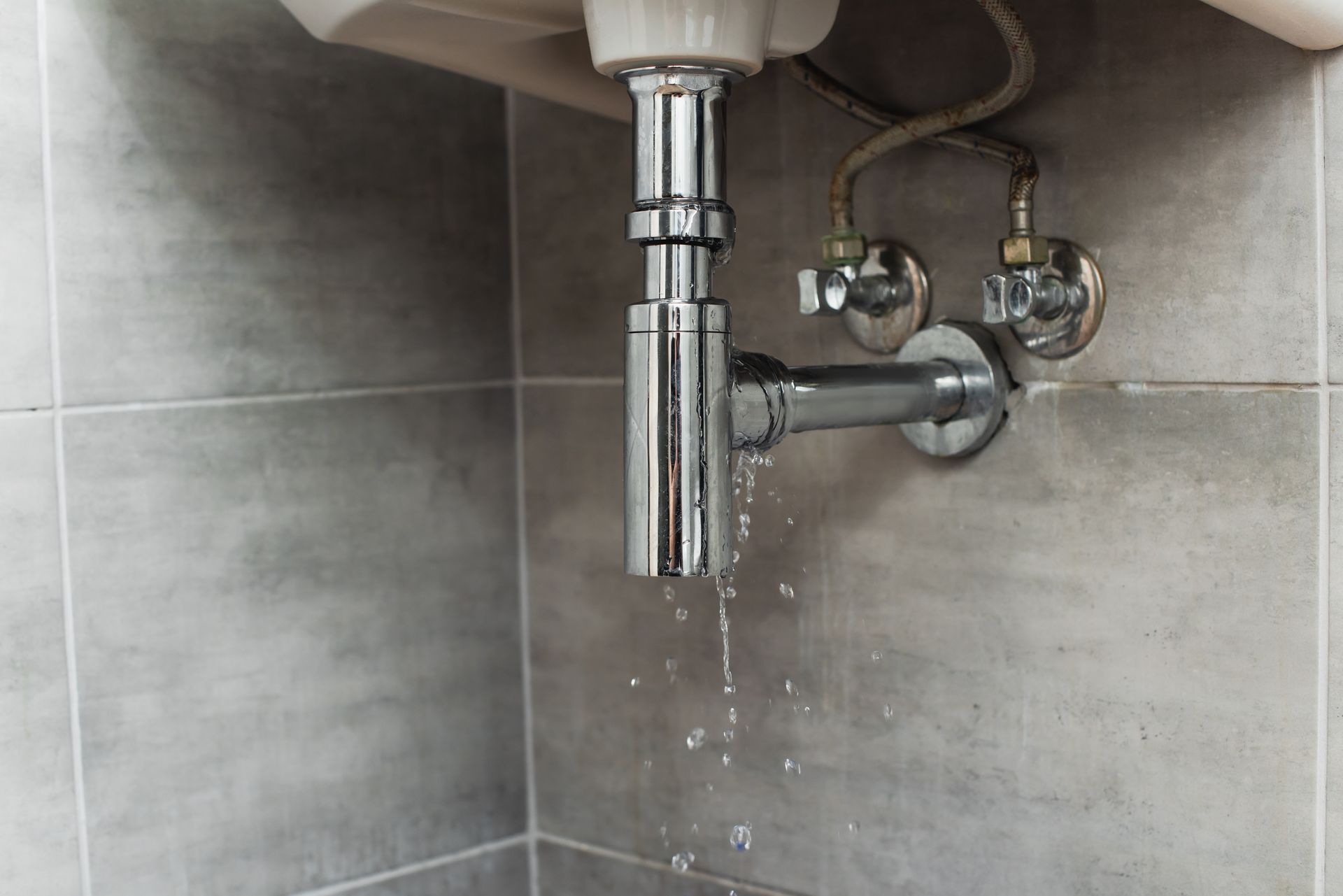
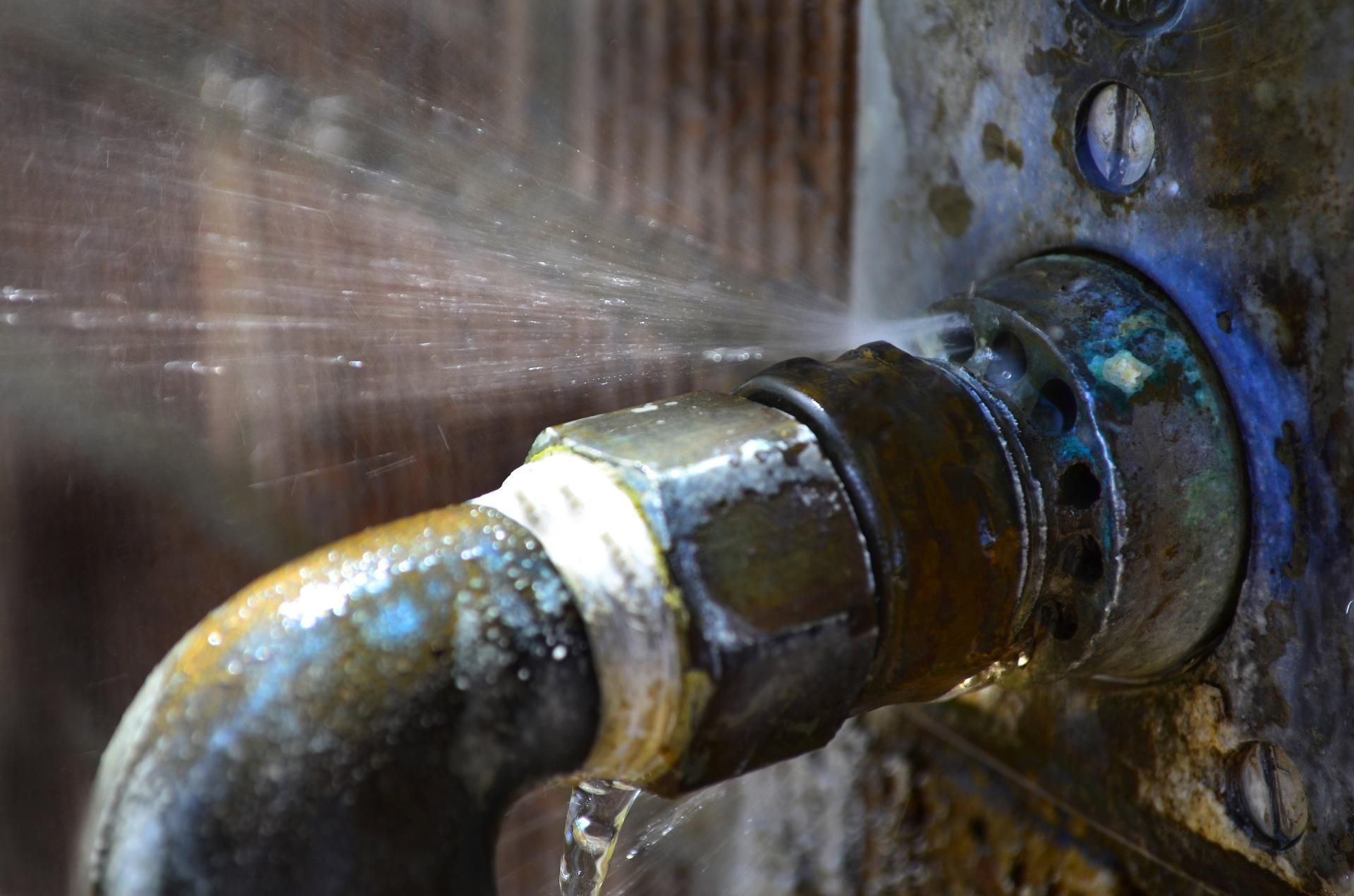
Start with the pipes and fittings you can see. Look under kitchen and bathroom sinks, behind the washing machine, and around the base of the toilet, the hot water system, and any external taps. A slow drip often leaves a faint water mark, white mineral crust, or a soft patch on the cabinet floor before it becomes a visible leak.
Check these areas every few months, and especially after a plumbing job or a hot spell. Small problems like a worn washer or loose connection are inexpensive to fix when they are found early. Left alone, they can soak into cabinetry, flooring, or the wall behind it.
Watch Your Water Meter and Bill for Leaks
Your water meter is one of the most useful tools for spotting a hidden leak. Turn off every tap, appliance, and irrigation zone in the home, then check whether the meter dial is still moving. Even slow movement means water is escaping somewhere in the system. Note the reading before bed and check it again in the morning for a clearer picture of overnight loss.
Your water bill is another early warning. If usage climbs without an obvious reason, such as a new appliance or a longer period of garden watering, a leak is one of the first things to check. A sudden jump after a period of normal use often points to a problem that has been building for some time.
Keep an Eye on Irrigation Systems
Garden irrigation is a common hiding place for leaks in Perth. Sprinkler lines, drip systems, and buried supply pipes can leak for months, and the water often soaks into the soil without leaving a surface sign. A patch of greener grass or a soft spot in a garden bed can be the first clue.
Check irrigation controllers for timing settings that run longer than needed, and make sure sprinkler heads are not spraying onto paths or the house. Dry periods are a good time to walk the garden and notice any wet patches when the system is off. Irrigation that runs when the ground is already wet can hide a leak completely.
Inspect Older Pipework
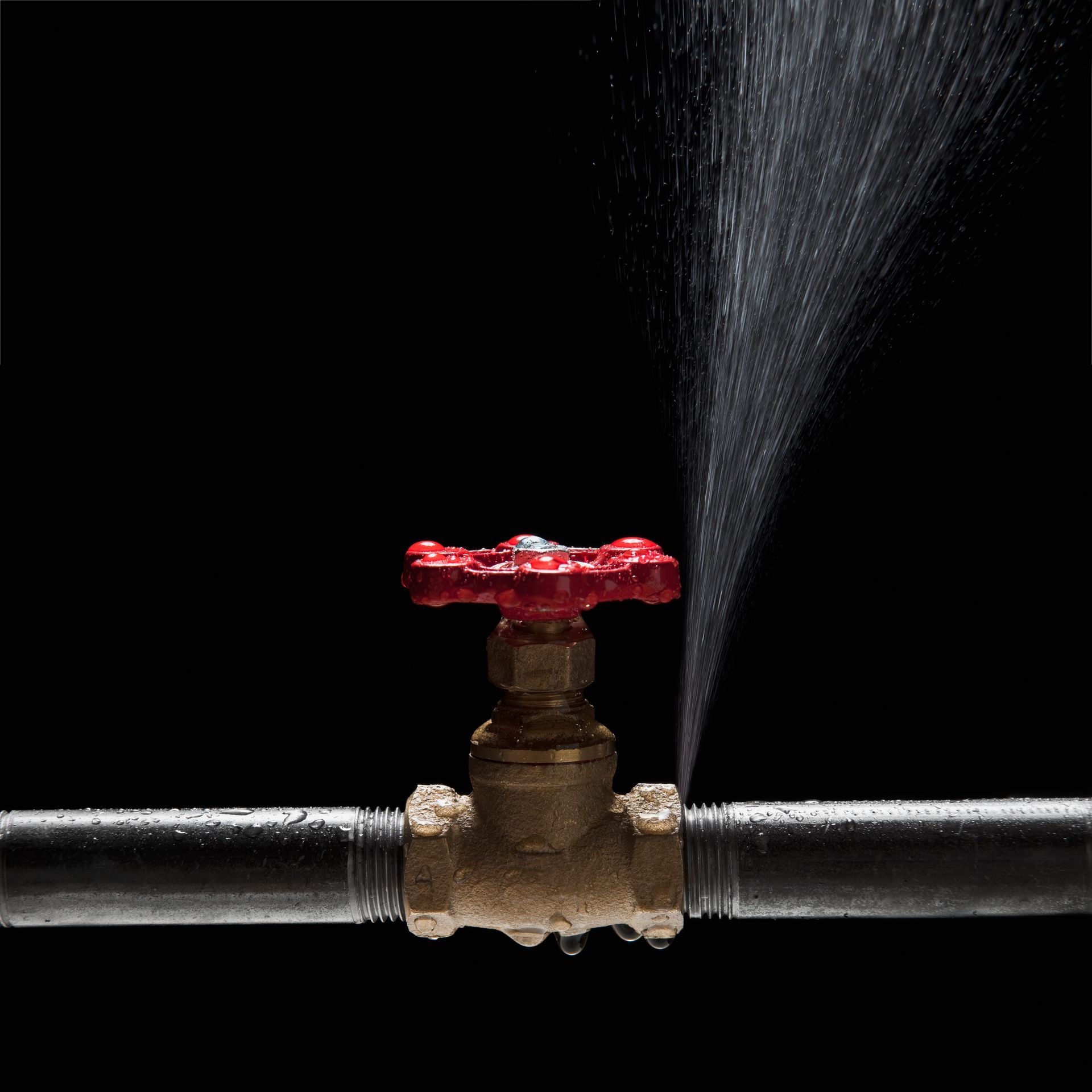
Older homes often have original pipework that has reached the end of its working life. Corrosion, scale build-up, and movement in the soil can all weaken pipes over time. A periodic inspection by a plumber can identify ageing pipes before they fail, which is usually cheaper than repairing water damage after a burst.
If your home was built before modern pipe materials came into use, ask a licensed plumber whether an inspection is worthwhile. Many leaks in older homes are slow and hidden, so a professional check can find problems that routine looks would miss.
Manage Hot Water and Pressure
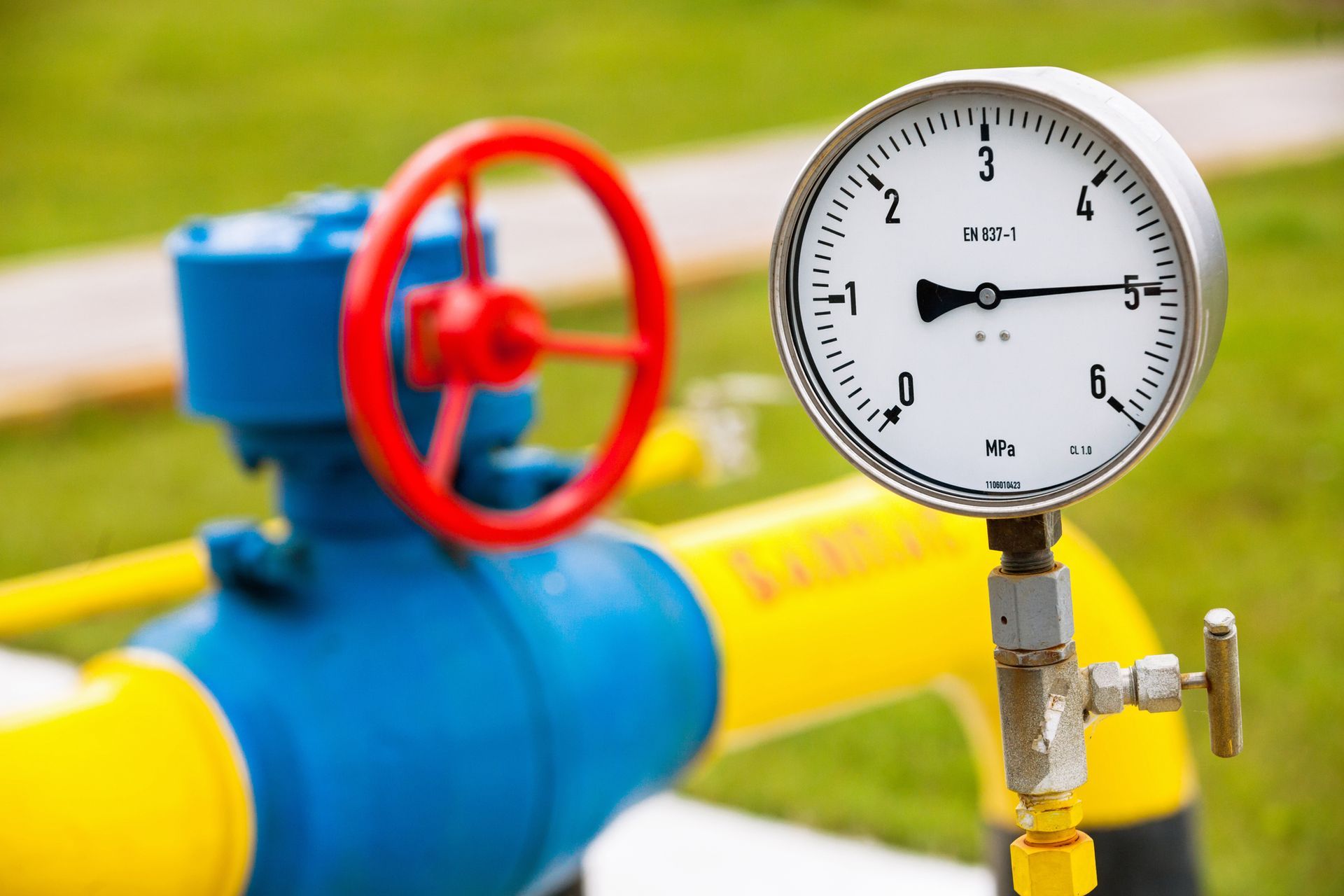
Hot water systems and water pressure are often overlooked. A pressure regulator that is set too high puts stress on fittings and joints, while a leaking temperature relief valve can drip quietly for weeks. Check the area around the hot water system for moisture, and listen for hissing or dripping near the unit.
Changes in water pressure can also point to a leak. If pressure at taps or showerheads has dropped gradually, a leak upstream may be drawing water away from the outlets. A plumber can test the pressure and check the system if the drop is noticeable.
When to Call a Leak Detection Service
Routine maintenance will not catch every leak. Call for a professional inspection if you notice any of the following:
- A water bill that rises without a clear reason.
- A meter that keeps moving when all water is turned off.
- Damp or soft patches in lawns, gardens, or floors.
- Cracking or subsidence in paths, driveways, or garden edges.
- Water pressure that has dropped over time.
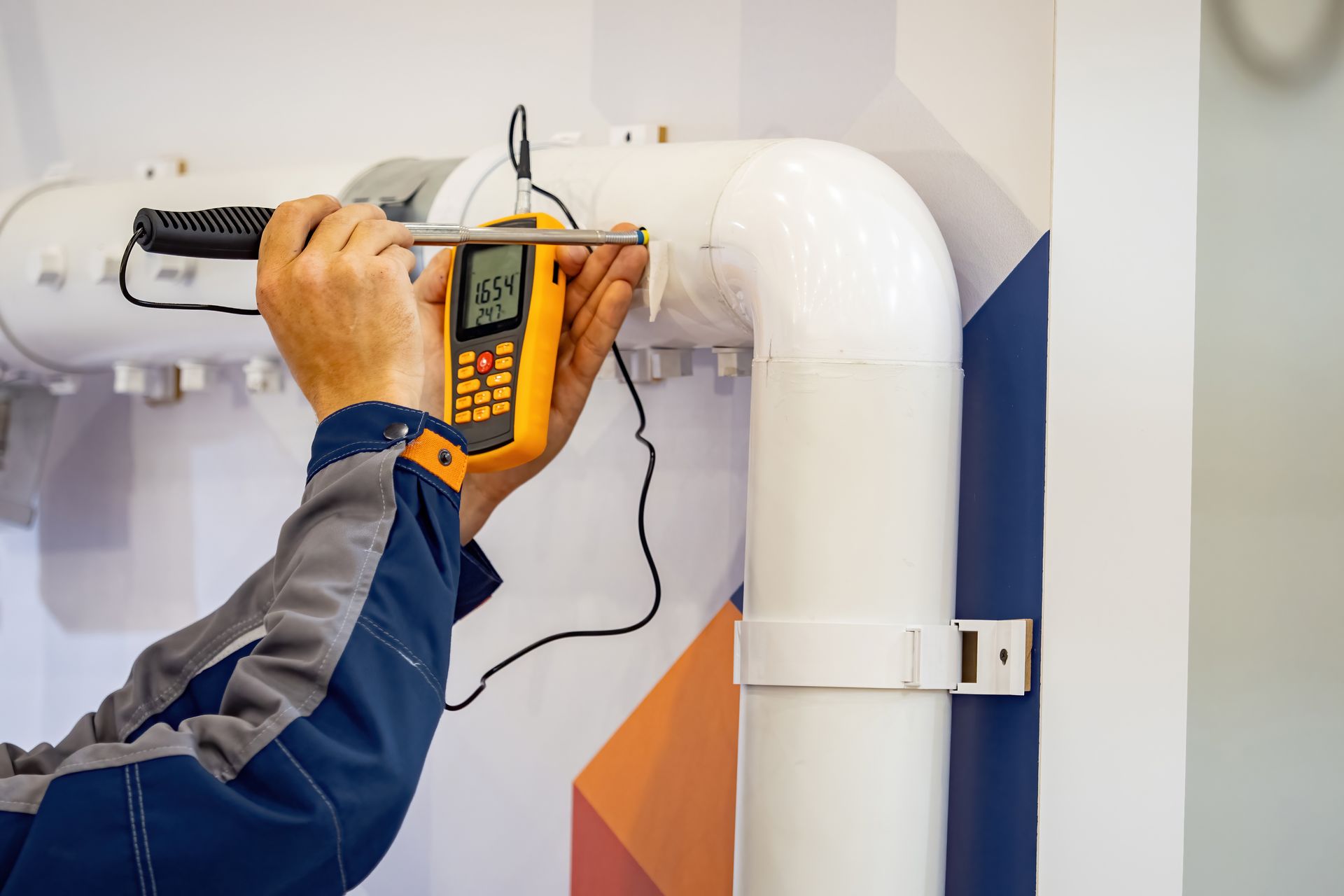
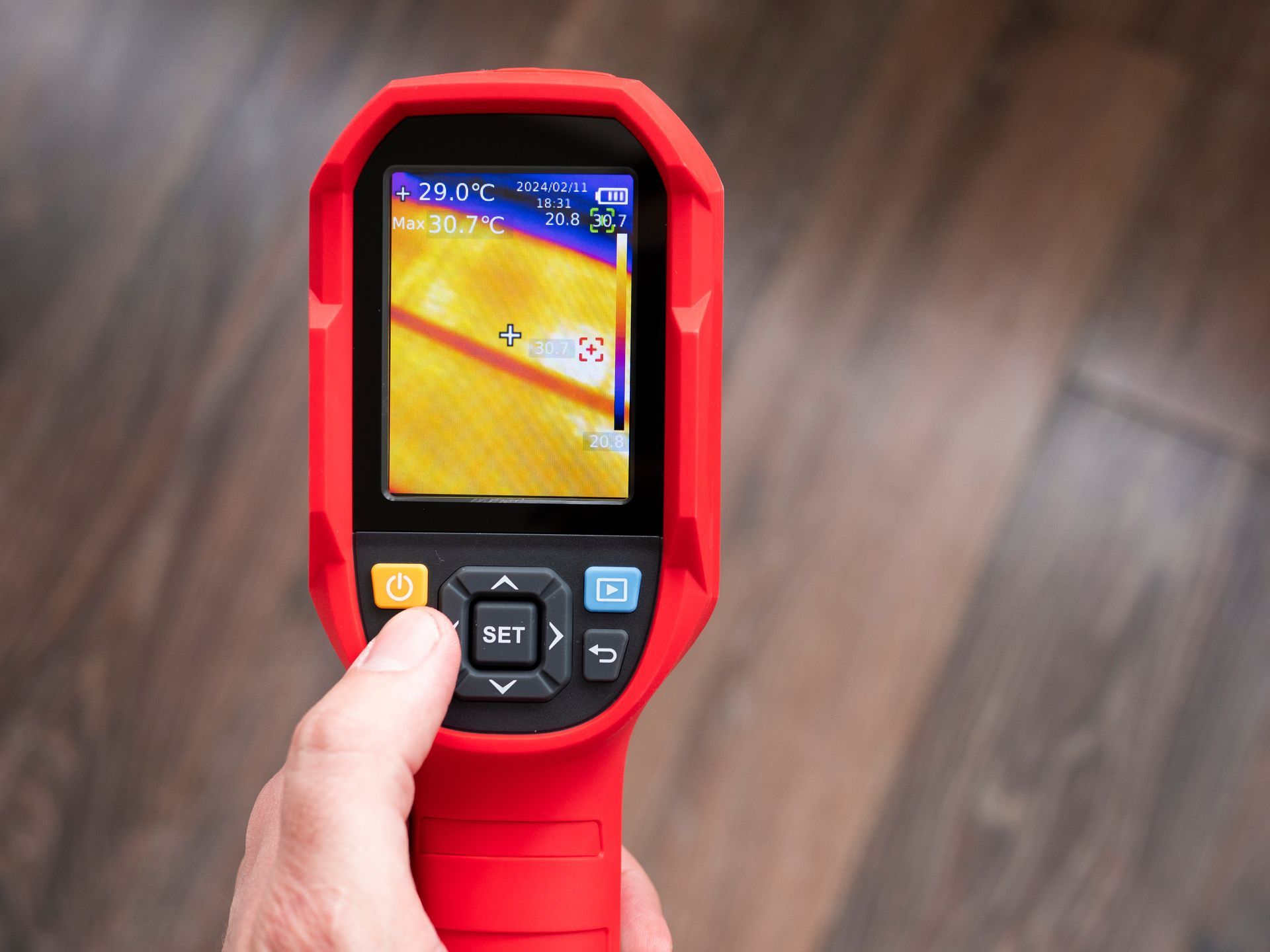
Leaks in Perth can sit under concrete, pavers, and driveways, so a non-invasive inspection is often the quickest way to locate them. Leak detection done this way protects the surface above the pipe. A professional leak detection service uses acoustic, thermal, and tracer gas methods to find leaks without cutting into walls or digging up gardens.
Book Leak Detection for Your Perth Home
Regular maintenance is the simplest way to prevent leaks in your Perth home, and a prompt inspection is the best response when something looks wrong. Call Statewide Leak Detect on
0417 672 296
to discuss leak detection in Perth, or request an inspection through
the schedule page. For answers to common questions, the
company page
explains the service in more detail.